From Visa to TIE: 4 Mandatory Steps When Landing in Spain
What to do during your first 30 days in Madrid, Barcelona, or Valencia: city padrón, police fingerprinting, and collecting your physical card.
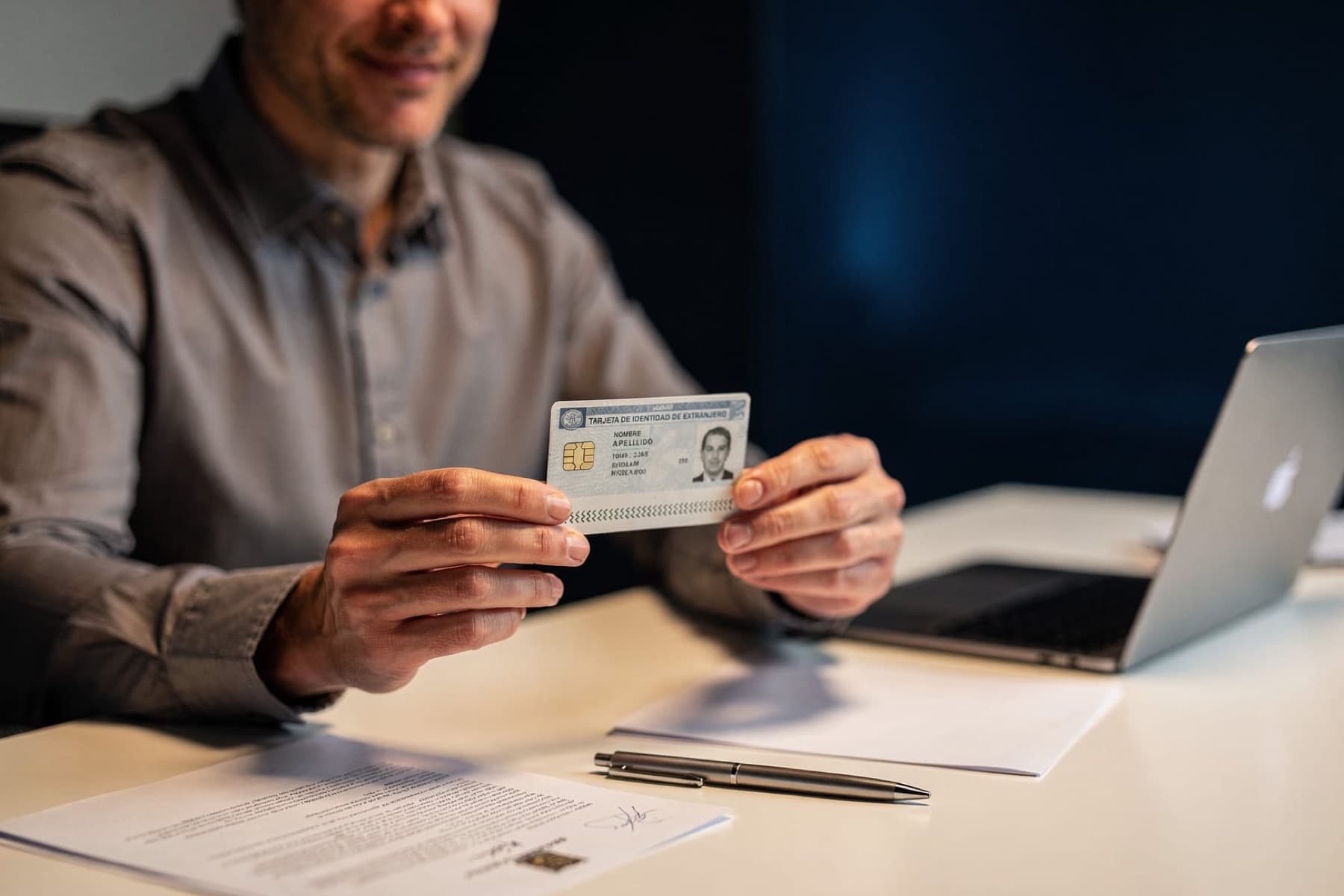
You touched down at Madrid Barajas or Barcelona El Prat airport with the visa foil affixed to your passport, breathing a sigh of relief. However, your consular visa is merely an entry pass with a ninety-day lifespan: your permanent lawful status in Spain hinges on completing essential local procedures during your first month.
Moving from an entry visa to the physical Foreigner Identity Card (TIE) follows a sequential chain. If you stumble on the first municipal step, you cannot secure your biometric police appointment before the thirty-day window closes.
Step 1: Municipal padrón registration at City Hall
The empadronamiento is the municipal census registration confirming your physical address in Spain. It is the master key that unlocks every other legal procedure: without a freshly certified padrón certificate issued within the last ninety days, the police will turn you away.
To register, bring your original passport and valid housing proof: a lease contract in your name lasting at least six months, or formal landlord authorization accompanied by the owner's national ID copy and recent utility bill.
Step 2: Biometric fingerprint appointment at the National Police station
Immigration law requires foreigners to book an online appointment for digital fingerprinting (toma de huellas) within one calendar month of entering Spain. In heavy-traffic provinces like Madrid or Barcelona, booking this slot requires constant monitoring.
On appointment day, bring completed official Form EX-17, proof of payment for Government Fee Model 790 Code 012 paid at an ATM or bank, one recent passport-sized photo on white background, original passport with border stamp, and your padrón certificate.
Step 3: Resident bank account opening and Social Security registration
Once the police issue your white stamped intake receipt (resguardo de huellas), showing your permanent assigned NIE number, you can open a standard Spanish resident bank account and apply for your Social Security affiliation number (NAF) if your permit grants work rights.
Approximately twenty-five to forty calendar days after fingerprinting, your physical plastic TIE card will be printed and ready for collection at the police station with a card pickup appointment.
- Days 1 to 10: Secure rental contract and city padrónObtain your official census registration document from the local municipal citizen office.
- Days 10 to 20: Pay Fee 790-012 and get passport photosSettle government fee at an automated bank terminal and take standardized 32x26 mm photos.
- Days 20 to 30: Attend police station fingerprint appointmentProvide physical dossier, register fingerprints, and secure your official TIE receipt.
- Days 45 onward: Collect your physical TIE cardPresent your passport and original intake receipt to collect your finished residence card.
Notice: LANDESP is an independent legal and relocation consultancy not affiliated with municipal city halls or the Spanish National Police force.