
Living in Tenerife in 2026
Everything you need to decide, plan, and move to Tenerife: Santa Cruz, La Laguna, the South, procedures, and island living.
Tenerife in Numbers
Is Tenerife Right for You?
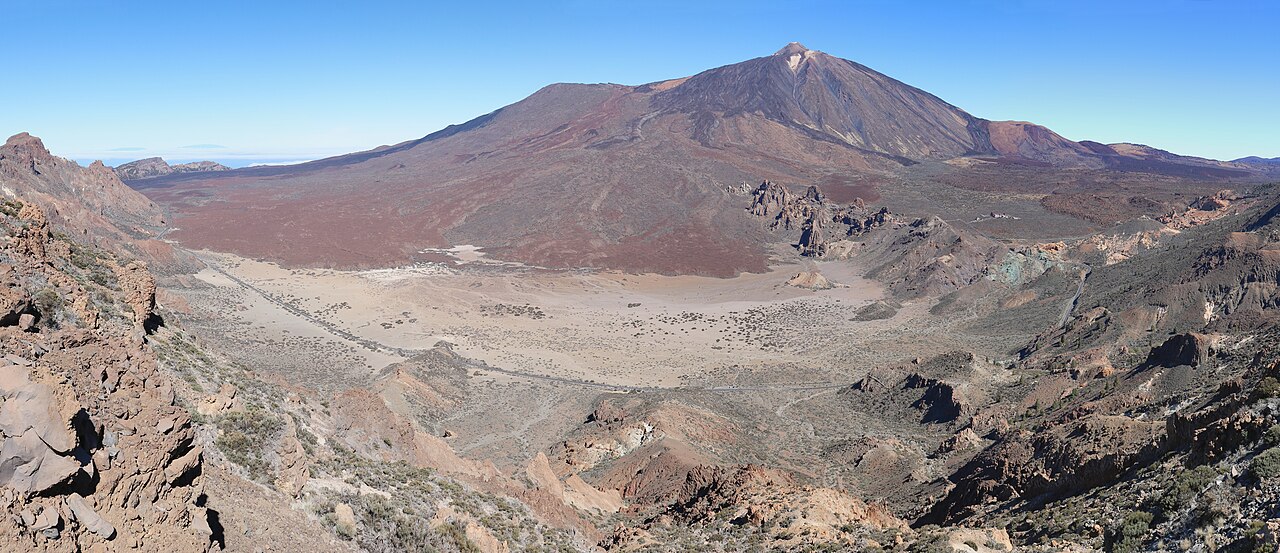
Crowned by Mount Teide (Spain's highest peak), Tenerife offers diverse microclimates: from urban capital life in Santa Cruz and UNESCO heritage in La Laguna to sunny southern beaches and lush northern valleys.
Pros
- Year-round spring weather and breathtaking volcanic landscapes (Teide National Park, Anaga Rural Park).
- San Cristóbal de La Laguna: UNESCO World Heritage university city with vibrant cultural life.
- 75% resident discount on inter-island and mainland flights/ferries upon empadronamiento.
- Canarian Special Tax Regime (7% IGIC and entrepreneurial incentives).
- Two international airports connecting directly to mainland Spain and major European cities.
Cons
- Distinct microclimates: the north is greener and cooler, while the south is arid and sunny.
- High rental market demand in southern resort areas and central Santa Cruz.
- Highway traffic (TF-5 north, TF-1 south) during peak commuting hours.
Cost of Living in Tenerife
Estimated monthly ranges for a couple in a 70–90 m² flat. Shared flat references range from €480 to €700/mo; living solo ranges from €850 to €1,300/mo.
Monthly Expense & Income Benchmark Calculator · Tenerife
Purely orientative calculation based on average market figures. Every individual or family adapts their priorities, and moving with different budgets is entirely feasible through housing and spending choices.
Estimated Breakdown
Santa Cruz Centro / RamblaRent is recommended not to exceed 35% of net household income.
Market benchmark estimate: 1,630 € / month for this profile in Santa Cruz Centro / Rambla.
This calculator provides indicative estimates and does not represent a financial guarantee. Actual expenses depend on lease terms, utility consumption, and personal habits. Moving with lower budgets remains fully achievable through room sharing or suburban housing.
This calculator provides indicative estimates and does not represent a financial guarantee. Actual expenses depend on lease terms, utility consumption, and personal habits. Moving with lower budgets remains fully achievable through room sharing or suburban housing.
Average expense reference table
| Item / Category | Amount / month |
|---|---|
| Estimated Rent (70–90 m²) | €950–€1,380 |
| Groceries & Household (Couple) | €340–€470 |
| Public Transit (Two Persons) | €20–€45 |
| Utilities, Internet & Mobile | €120–€180 |
| Dining & Leisure | €240–€420 |
| Private Health Insurance (Couple) | €100–€200 |
Landesp estimate based on market benchmark data for Tenerife in 2026.

Where to Live — Zones & Towns in Tenerife
Santa Cruz de Tenerife (Center / Rambla)
Capital · Culture · ServicesCosmopolitan capital with wide pedestrian avenues, museums, Calatrava Auditorium, and commercial life.
San Cristóbal de La Laguna
University · History · CultureUNESCO World Heritage city, cooler climate, pedestrian plazas, bookstores, and student atmosphere.
Costa Adeje / Playa de las Américas (South)
Sun · Tourism · Expat HubSouthern resort hub with year-round sunshine, beaches, marinas, and global expat community.
Puerto de la Cruz / La Orotava (North)
Nature · Authenticity · RelaxTraditional northern coastal town with Canarian architecture, botanical gardens, and Martiánez seawater pools.
Candelaria / Radazul
Families · Sea Views · ProximityCoastal towns 10–15 minutes from Santa Cruz, ideal for families seeking sea views and quiet living.
Housing & Rental Process in Tenerife
Renting Step-by-step
Searches take place on Idealista, Fotocasa, and local real estate agencies. Landlords request proof of income, passport/NIE, and standard deposit.
Lease Types
- Long-Term (Vivienda Habitual): 5-year legal contracts allowing empadronamiento.
- Mid-Term / Nomad Rental: Common in the south and Puerto de la Cruz for 3–11 month stays.
- Room Rental: €300 to €480/month in La Laguna and Santa Cruz.
- Rural Coliving: Co-working coliving spaces in nature for remote workers.
Administrative Procedures in Tenerife
National immigration guidelines and local arrival steps in Tenerife.
National Guidelines: Entry & Visas
Visas: Primary Entry Routes
- Tourist Stay (up to 90 days): No right to work. Passport holders from US, UK, Canada, Australia, and parts of LATAM enter visa-free for tourism.
- Employment Visa (Cuenta Ajena): Requires a job offer from an authorized Spanish employer.
- Digital Nomad Visa: For remote workers of foreign companies; requires proof of minimum income.
- Student Visa: For accredited official educational programs.
- Non-Lucrative Visa (NLV): For individuals with independent financial means who do not intend to work in Spain.
- Family Reunification: For relatives of legal residents.
This section is informative and does not constitute legal counsel. Always check official Ministry channels or consult a certified immigration lawyer.
Essential First Steps Upon Arrival in Tenerife
Follow this recommended logical order to complete your arrival setup smoothly:
- 1. Municipal Registration (Empadronamiento): Register your residence at the local Town Hall. Essential for the 75% flight discount.
- 2. Public Healthcare Card (SCS): At your local primary health center (Servicio Canario de la Salud) with empadronamiento and Social Security number.
- 3. Spanish Bank Account: To set up direct debits for rent, utility bills, and salary.
- 4. Fingerprints & TIE / EU Certificate: Appointment at National Police (Extranjería) in Santa Cruz or Los Cristianos.
- 5. Transit & Connectivity: Ten+ card for TITSA buses/tram and home fiber/SIM contract.
Healthcare in Tenerife
Public Healthcare (SCS)
Primary care via your SCS health card. Major university hospitals include Hospital Universitario de Canarias (HUC) and Hospital Nuestra Señora de Candelaria.
Emergency Contacts
- 112: General emergencies: police, fire, sea rescue, ambulance.
- 061: Health advice and emergencies.
- 091 / 092: National Police and Local Police.
Getting Around Tenerife
TITSA green buses, Tenerife Tram, and the Ten+ card system.
Island Transit System
TITSA buses cover the entire island. In the metropolitan area, the Tenerife Tram links Santa Cruz and La Laguna in 35 minutes.
| Pass Type | Description | Approx. Price |
|---|---|---|
| Ten+ Monedero Card | Reusable card for buses and tram | €0.40–€0.80 / trip |
| Canarian Resident Pass | Subsidized or free travel for registered residents | Free with minimum usage |
| Metro Tram | Direct Santa Cruz - La Laguna link | From €0.40 with pass |
| Single Ticket | Single trip | €1.45 |
75% Canarian Resident Travel Discount
Once registered on the municipal census, residents receive a 75% state subsidy on flights and ferries between the Canary Islands and mainland Spain.
Working in Tenerife
Job Market & Industries
Tourism and hospitality form the core economy, complemented by a growing audiovisual industry (benefiting from Canarian tax incentives), astrophysics research (IAC), tech, and remote work.
Work Frameworks
- Employed (Cuenta Ajena): Spanish employment contract with 30 calendar days paid vacation.
- Self-Employed (Autónomo): RETA social security system based on net income.
- Digital Nomad: Specific visa framework for remote workers of foreign companies.
Self-Employed Contributions (Autónomo 2026)
Under the contribution system based on net income, monthly self-employed social security contributions are calculated across 15 brackets. Reference rates:
| Monthly Net Earnings | Approx. Monthly Contribution |
|---|---|
| Up to €670 | €200 |
| €671 – €900 | €220 |
| €901 – €1,166.70 | €260 |
| Higher Brackets | Up to €590/mo for earnings above €6,000/mo |
First-time autónomos in Spain can access a flat rate (Tarifa Plana) of €80/month for the first 12 months regardless of billing amount.
Tax Considerations
If you spend more than 183 days a year in Spain, you are considered a tax resident and subject to progressive personal income tax (IRPF 19% to 47%) on worldwide income.
Immigration status and tax residence are legally distinct. Always consult a specialized tax advisor for cross-border income.
Banking & Utilities in Tenerife
Bank Account
Major banks (CaixaBank, Santander, BBVA) and neobanks (Revolut, N26, Wise).
Home Utilities
- Water: Managed by municipal utility companies (EMMASA in Santa Cruz, Teidagua in La Laguna).
- Electricity: Market providers (Endesa, Iberdrola).
- Internet: High-speed fiber optic broadly available (€30–€50/mo).
Daily Life in Tenerife
Island Lifestyle
- Nature & Sea: Anaga hiking, natural volcanic sea pools, water sports in El Médano, and stargazing at Teide.
- Local Gastronomy: Guachinches (traditional local eateries serving house wine), papas con mojo, and fresh fish.
- Santa Cruz Carnival: The world's second largest carnival festival.
Mobile & Connectivity
- Arrival SIM / eSIM: €5–€15/mo prepaid. Instant activation with passport.
- Home Fiber + Mobile: €30–€55/mo with Digi, O2, Movistar, or Orange.
- Requirements: Bank direct debit usually requires a Spanish IBAN.
Common Mistakes When Moving to Tenerife
- 1
Failing to choose the right area for your climate preference (North is cooler/greener; South is sunny/warm).
- 2
Delaying empadronamiento, missing out on the 75% resident flight discount.
- 3
Underestimating commuting times on highways TF-5 or TF-1 if living far from work.
- 4
Failing to check internet connectivity if planning to work remotely.
- 5
Paying lease deposits without inspecting the property or verifying contracts.
Relocation Checklist for Tenerife
Before Travelling
- Visa or residence permit approved at Spanish consulate.
- Legalized and apostilled personal documents.
- Temporary accommodation booked for your first 2–4 weeks.
First 30 Days
- Long-term rental lease signed.
- Empadronamiento completed at local Town Hall.
- Spanish IBAN bank account opened.
- Public healthcare card (SCS) registered at local health center.
- Fingerprint appointment for TIE card at police station.
How Landesp Supports You in Tenerife
Complete relocation and legal assistance for individuals and families moving to Tenerife:
- Visa, digital nomad, and residence permit processing.
- Fraud-free home search and legal contract review.
- In-person support for empadronamiento and 75% flight discount activation.
- Banking setup and SCS healthcare registration.
Frequently Asked Questions About Living in Tenerife
How much do you need per month in Tenerife?
Around €700–€950/mo in a shared flat, or €1,250–€1,750/mo for a couple/solo flat.
What is the difference between North and South Tenerife?
The North is greener, traditional, and cooler (Santa Cruz, La Laguna); the South is warmer, sunny, and tourism-focused.
How does the 75% resident discount work?
Once registered on the municipal census, you receive an automatic 75% discount on all flights and ferries.
Do you need a car in Tenerife?
Inside Santa Cruz and La Laguna tram lines work well; having a car is recommended to explore Mount Teide and remote beaches.
Planning your move to Tenerife?
We design a tailored plan for your arrival in Tenerife, with legal, housing and logistics support from start to finish.