Opening a Spanish bank account as a US citizen: FATCA and the NIE
How American expats and nomads open a Spanish bank account: overcoming FATCA hurdles, non-resident vs resident accounts, NIE requirements, and top banks.
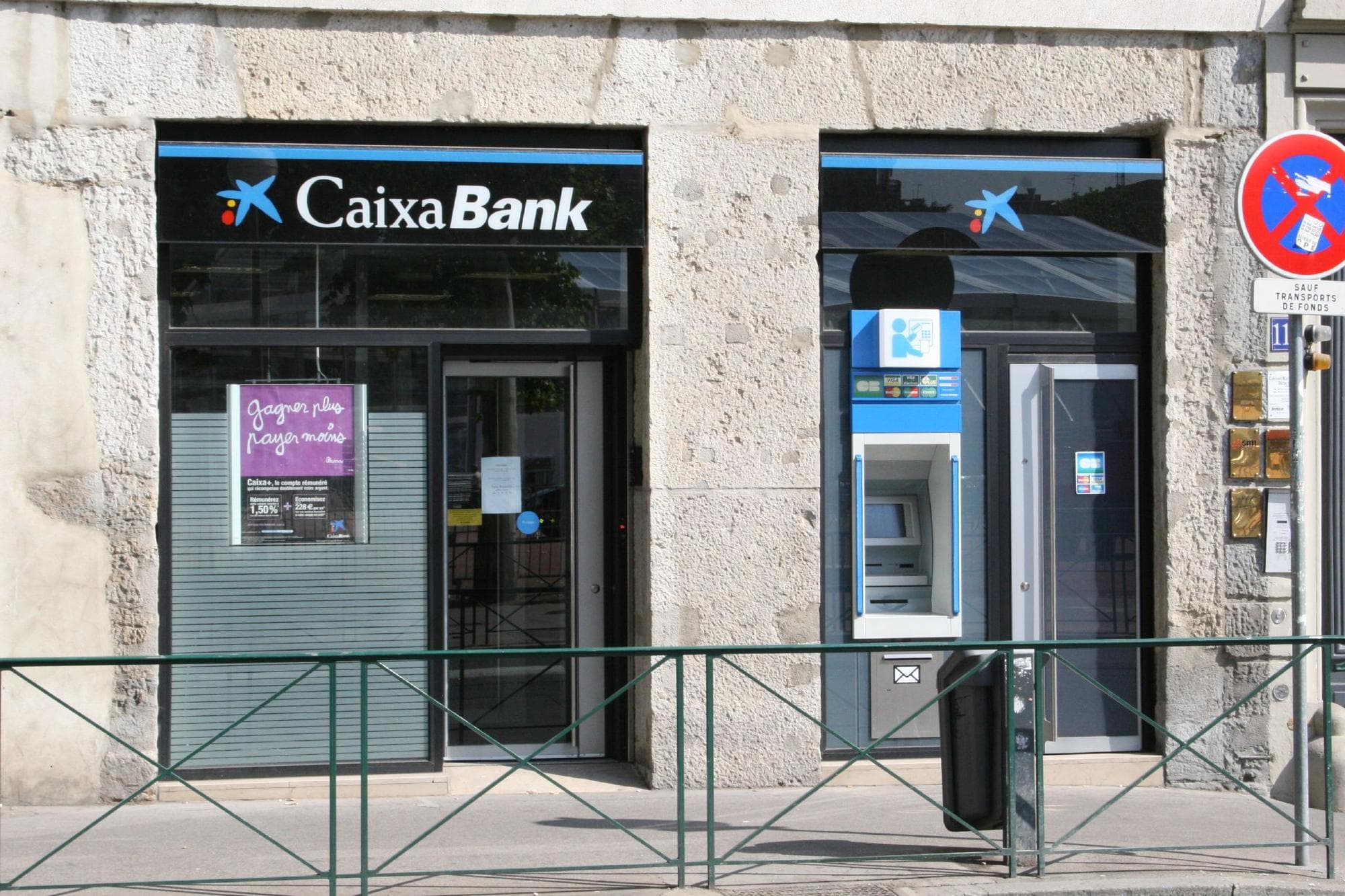
Opening a local bank account in Spain is essential for paying rent, setting up fiber internet, and paying social security contributions. Yet for American citizens, walking into a Spanish high-street bank frequently ends in frustration. Due to complex US FATCA reporting requirements and strict Spanish anti-money laundering (AML) laws, many bank branches refuse American applicants. How can you navigate this process smoothly?
The FATCA Obstacle: Why Spanish Banks Hesitate
Under the US Foreign Account Tax Compliance Act (FATCA) and the intergovernmental agreement signed between Madrid and Washington, foreign financial institutions must report account holdings and transactions of US citizens directly to the US Internal Revenue Service (IRS).
Due to substantial penalties for non-compliance, many smaller Spanish branch managers perceive US clients as an administrative liability. American applicants must sign IRS Form W-9 and submit certified copies of their Social Security cards, leading some branch personnel to claim that 'they do not open accounts for US persons'.
Non-Resident vs. Resident Accounts: The NIE Factor
- Non-Resident AccountCan be opened using your US passport and a 'Certificado de No Residente' issued by the National Police. While useful during your initial weeks, these accounts carry higher quarterly maintenance fees and offer restricted credit features.
- Resident AccountRequires a physical Tarjeta de Identidad de Extranjero (TIE) or a formal resolution of residence alongside a Spanish tax identification number (NIE). This is the account needed for domestic direct debit mandates (recibos domiciliados), RETA social security contributions, and long-term lease payments.
 Keep readingCan your spouse work on Spain's digital nomad visa?
Anti-Money Laundering (AML) Compliance: Justifying Your Funds
Under Spanish Law 10/2010, Spanish banks are legally obligated to trace the origin of all incoming funds. When moving larger balances from Chase, Bank of America, or Charles Schwab to Spain, expect the compliance department to request your last two US federal tax returns (IRS Form 1040), current remote employment contracts, and recent pay slips before unfreezing incoming wire transfers.
Spanish Expat Banking Overview for US Citizens (FATCA Compliant)
| Banking Institution | FATCA Form W-9 Desk | Required ID | Non-Resident Account Monthly Fee |
|---|---|---|---|
| CaixaBank (HolaBank) | Dedicated Expat Specialist Desks | Passport + NIE Certificate | €12 - €18 / month |
| Bank Transfer (Account Key) | Expat Services Hub | Passport + NO + Padrón | €10 - €16 / month |
| BBVA | Standard retail branch compliance | White NIE or physical TIE card | €0 - €12 / month (conditions apply) |
| N26 Spain (Digital IBAN) | Supports US taxpayers digitally | Spanish TIE card + Spanish NIE | €0 (Standard) / €4.90 (Smart) |
Key Practical Tips
What the team recommends before you file anything:
- Expat-friendly banking options with established US desks include Banco Sabadell, BBVA, and CaixaBank, as well as digital platforms with Spanish IBANs like N26 Spain.
- Always request a bank account with a dedicated Spanish IBAN starting with 'ES'. Foreign IBANs (such as standard Revolut LT or Wise BE accounts) are occasionally rejected by municipal utility providers and social security contribution portals.
Required Documentation Checklist
- Valid US Passport and assigned Spanish NIE certificate.
- Official residency authorization document (UGE resolution or physical TIE card).
- Proof of professional income (pay slips, tax returns, or employment contract).
- Completed and signed IRS Form W-9 confirming US Social Security Number.
- Spanish mobile phone number for two-factor SMS authentication.
Sources: Foreign Account Tax Compliance Act (FATCA) - Intergovernmental Agreement (IGA) between the US and Spain; Banco de España - Normativa sobre Cuentas de Pago Básicas y prevención de blanqueo de capitales; Ley 10/2010 de prevención del blanqueo de capitales y de la financiación del terrorismo.