Apostille and sworn translation of your FBI background check for Spain
How to get the FBI background check apostilled by the US Department of State and translated by a certified MAEC sworn translator for Spanish visas.
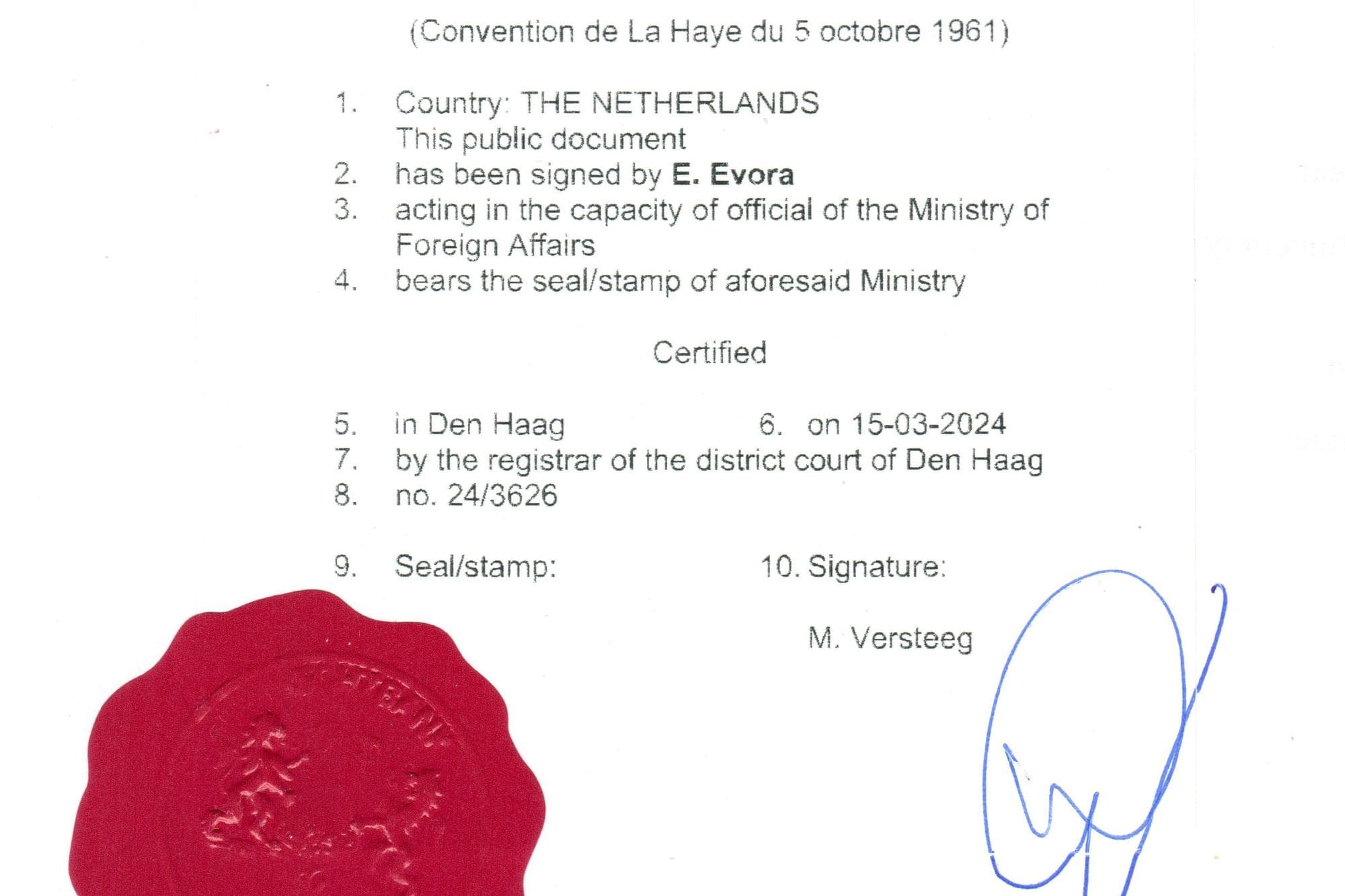
Document legalization is where thousands of Spanish visa applications get stranded for months. For American citizens and residents, Spain requires an official FBI Identity History Summary apostilled specifically by the US Department of State in Washington D.C., followed by an official Spanish Sworn Translation (Traducción Jurada). How do you navigate this multi-step bureaucratic chain without missing your relocation deadlines?
Step 1: The FBI Identity History Summary (Fingerprinting)
Spain does not accept state-level police certificates for national visas; applicants must submit an nationwide federal background check directly from the Federal Bureau of Investigation (FBI Criminal Justice Information Services Division).
The fastest method is submitting an online request via the FBI portal and visiting an approved US Postal Service (USPS) location equipped with live-scan electronic fingerprint capture. Electronic FBI clearances are typically generated within 24 to 48 hours in PDF format.
Step 2: The US Department of State Hague Apostille (The Real Bottleneck)
An FBI background check is a federal instrument; state Secretaries of State (e.g., in California, New York, or Texas) cannot apostille it. The document must be submitted to the US Department of State Office of Authentications in Washington D.C. along with Form DS-4194.
Processing times through the Office of Authentications regularly range between 4 to 8 weeks. Expedited congressional inquiries or licensed courier submission channels can substantially compress this timeline, ensuring your criminal record does not exceed Spain's strict validity window.
 Keep reading1099 freelancers and the digital nomad visa: invoices and the 20% rule
Step 3: Official Sworn Translation (Traductor Jurado MAEC)
Under Spanish administrative law (Law 39/2015), any foreign public document submitted in another language must be accompanied by an official translation into Spanish.
Crucially, Spain does not accept standard translations notarized by an American Notary Public. The translation must be executed and sealed by a certified 'Traductor-Intérprete Jurado' officially accredited by Spain's Ministry of Foreign Affairs (MAEC). A translation bearing an official MAEC digital signature is accepted immediately by the UGE and all Spanish consulates without further authentication.
FBI Criminal Check Legalization Timeline & Pathway for Spain
| Stage of Process | Responsible Agency | Timeline | Critical Pitfall to Avoid |
|---|---|---|---|
| 1. FBI Fingerprinting (LiveScan) | USPS Post Office / FBI Channeler | 24 to 48 hours | Submitting blurry paper cards that get rejected |
| 2. Federal Apostille Issuance | US Department of State (D.C.) | 4 to 8 weeks | Attempting state-level Secretary of State apostille |
| 3. Official Spanish Translation | MAEC-Certified Sworn Translator | 2 to 4 business days | Using US certified/notarized translations (denied) |
| 4. Validity Window | Consular / WEEK Acceptance | Strict 90 to 180 days | Letting the document expire before filing date |
Key Practical Tips
What the team recommends before you file anything:
- Validity windows. Criminal background checks for Spanish immigration are generally valid for exactly 6 months from the date the FBI certificate is issued (some consulates enforce 3 months; always verify regional jurisdiction rules).
- Do not translate your FBI report before obtaining the apostille. The Hague Apostille itself must also be translated by your sworn translator.
Required Documentation Checklist
- Official FBI Identity History Summary electronic clearance with watermark.
- Form DS-4194 completed with exact return courier shipping labels.
- Hague Apostille certificate issued and attached by the US Department of State.
- Certified Spanish translation bearing the official seal and signature of a MAEC Traductor Jurado.
- Digital PDF copy preserved for electronic submission to the UGE portal.
Sources: Hague Convention of 5 October 1961 Abolishing the Requirement of Legalisation for Foreign Public Documents; US Department of State - Office of Authentications (Washington D.C.); Ministerio de Asuntos Exteriores, Unión Europea y Cooperación (MAEC) - Lista Oficial de Traductores-Intérpretes Jurados.