Tips for Living in Spain Happily: Practical Relocation Guide
How to organize your legal paperwork, choose a neighborhood in Madrid, set an honest budget, and build a rewarding daily routine.
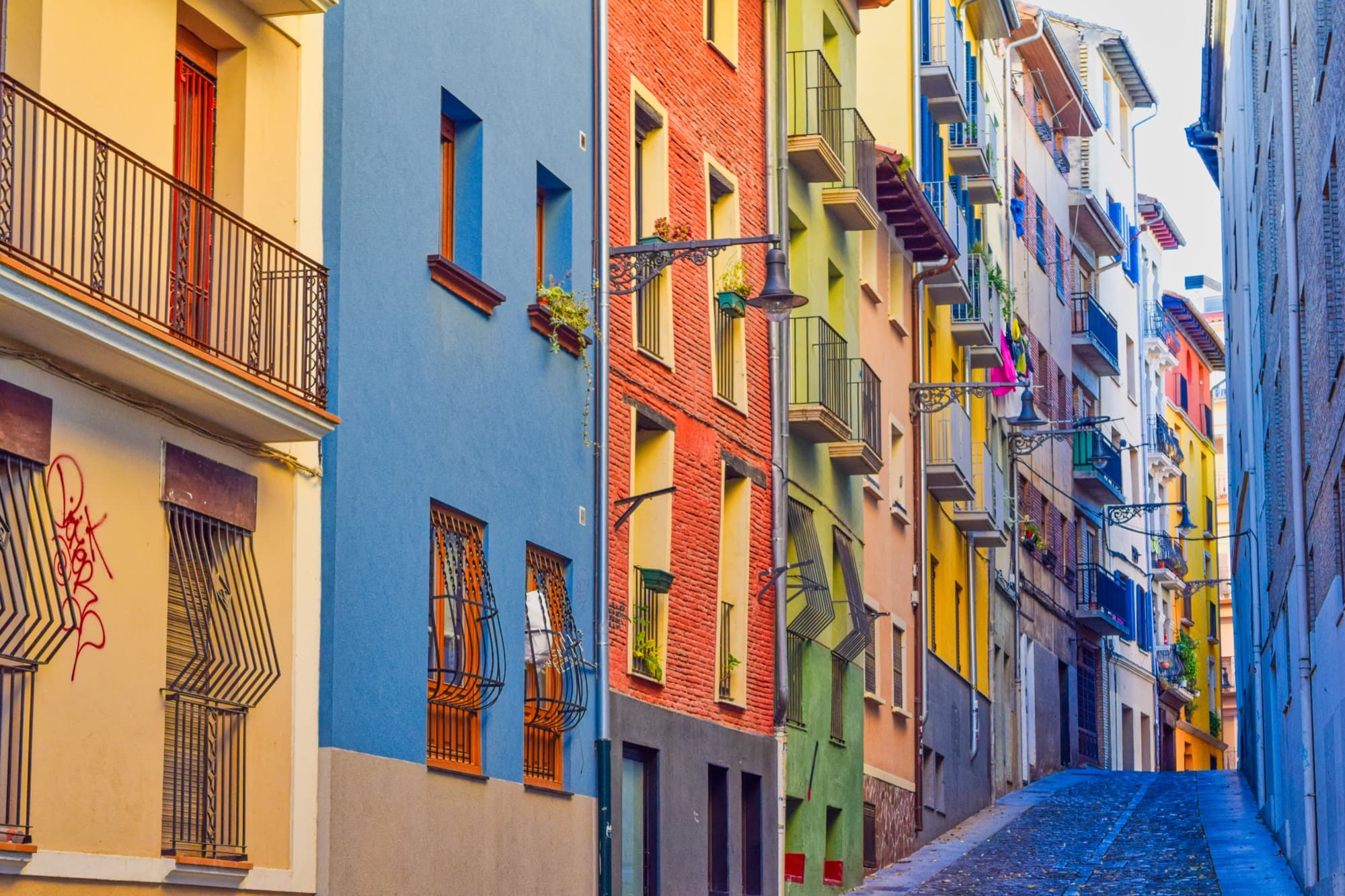
Living happily in Spain takes more than choosing a picturesque city: you need to sort out your legal status, plan your budget realistically, and build a daily routine that makes you feel at home. If you are planning to live in Madrid, these decisions deserve just as much attention as weekend cultural plans. Here are practical tips to settle in smoothly without losing your own traditions.
What do you need to live and work legally in Spain?
The right immigration route depends on your nationality, intended length of stay, and whether you plan to study, work, or live off independent income. A tourist stay does not grant residency or work authorization. Before booking flights or signing leases, identify the specific procedure matching your goals and verify requirements through official government portals.
- EU, EEA, or Swiss CitizenshipTo stay for more than three months, you must register in the Central Register of Foreign Nationals and demonstrate employment, self-employment, studies, or sufficient financial resources and health coverage.
- Short-term Tourism (Up to 90 Days)The standard rule is 90 days within any 180-day rolling window across the Schengen Area. Depending on your nationality, an entry visa may be required; tourist stays never authorize local employment.
- Higher Education and Master's DegreesCheck the specific student authorization for your course. Long-term higher education permits allow part-time work of up to 30 hours per week provided it does not interfere with classes.
- Employment or Non-Lucrative ResidencyAvailable options include local employment, digital nomad telework, self-employment, and family reunification. Non-lucrative residency strictly prohibits working; do not confuse it with remote work routes.
Outdated guides warning: End of the Golden Visa
The residency pathway for real estate investors known as the «Golden Visa» was officially terminated on April 3, 2025. Purchasing property in Spain does not confer residence rights.
Gather required records well in advance and check expiration dates, sworn official translations, and apostilles. Always retain submission receipts and stamped official copies.
Where should you live in Madrid?
To choose where to live in Madrid, begin with your daily commute, total housing budget, and quiet-time requirements. Then compare specific streets: a central location does not make up for street noise or a difficult commute. Walk candidate neighborhoods during weekday rush hours and at night before making any rental commitment.
Madrid reference districts to explore
Chamberí: worth exploring for traditional neighborhood shops, leafy streets, and cultural venues like Teatros del Canal. Inspect each flat individually as atmosphere varies street by street.
Retiro: a prime choice if you value living steps from Madrid's premier park for running or walking. Calculate the actual walking distance rather than relying on district borders.
Malasaña, Chueca, and Lavapiés: offer lively urban energy, independent boutiques, varied dining, and cultural diversity. Check night-time noise levels before choosing an apartment here.
Arganzuela and Madrid Río: highly sought after for modern apartments, quick metro access, and vast riverside parklands for outdoor recreation.
Moncloa and Ciudad Universitaria: ideal if your daily priority is proximity to university campuses or research institutions, offering abundant housing options.
A budget that leaves room to enjoy life
Draft your financial plan with enough breathing room to adapt comfortably. Moving abroad to improve your life should never mean depriving yourself of the activities that brought you here.
- Initial Settling CostsTravel, temporary arrival accommodation, administrative fees, moving expenses, and rental lease security deposits (fianza).
- Monthly Living ExpensesRent, utilities (water, gas, electricity, internet), weekly groceries, public transport passes, and any home country obligations.
- Safety CushionA reserved fund for emergency healthcare, appliance repairs, travel, and unexpected fluctuations in monthly income.
 Keep readingUnderstanding Apostille Services: A Complete Guide for Americans Moving to Spain
Finding housing without rushing decisions
If possible, stay in temporary accommodation for the first two to three weeks to explore Madrid in person before signing a long-term lease. During visits, test your route to work or campus, open windows to check street noise, and ask about heating, air conditioning, and included building maintenance fees.
Rental security and scam prevention
Never wire deposit money without inspecting the property in person and confirming the owner's identity and municipal padrón registration rights. Demand written contracts and official bank receipts.
If flat-sharing, discuss house rules beforehand: cleaning routines, guest policies, quiet hours, and how utility bills are split.
First administrative steps in logical order
Set up a dedicated digital folder with PDFs of all documents, appointments, and deadlines. Distinguish the NIE (your tax and identification number) from the physical TIE residence card or EU certificate.
- Municipal Registration (Padrón)Register at your local town hall as soon as you have a signed lease. The padrón certificate is essential for public healthcare and residence card issuance.
- Physical TIE Card or EU CertificateBook your fingerprint appointment (toma de huellas) or EU registration appointment promptly upon arrival to comply with legal deadlines.
- Healthcare CoverageConfirm your healthcare route (Social Security affiliation through employment or private health insurance without co-pays) to obtain your health card.
- Spanish Bank AccountOpen an account with a Spanish IBAN to set up direct debit for utilities, receive income, and pay rent without international transfer fees.
Embracing Spanish culture while staying true to yourself
To adapt smoothly, observe daily life in your neighborhood and workplace. Spanish society values sociability, outdoor terrace culture, and personal connections, but everyone adapts at their own pace.
To build genuine friendships, join recurring activities such as sports leagues, hobby groups, language exchanges, or volunteering. At the same time, keep your cultural roots, favorite home dishes, and cherished celebrations alive.
Build a sustainable life, not a permanent vacation
A rewarding life in Spain is not measured by doing sightseeing every weekend, but by feeling at home in your regular routine: sleeping soundly, enjoying manageable commutes, and having trusted friends to share a coffee with.
Official sources: Ministry of Inclusion, Social Security and Migration (Immigration Portal); Ministry of the Interior (EU citizen and short-stay rules); Madrid City Council (Municipal Padrón Office); La Moncloa official gazette.